
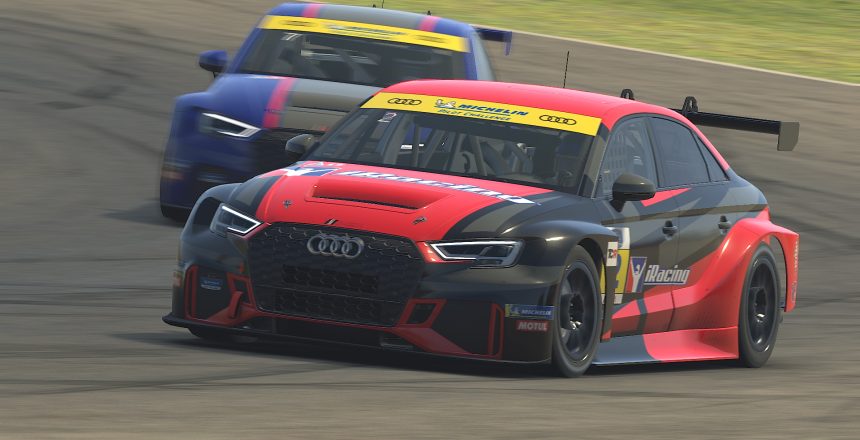
The weekly iRacing blog is normally written from a review perspective, focusing on takeaways mainly from the races gone by. This week though I thought a flip of the script is needed. Reason being, the upcoming race presented a proper bogey car for me. TCR (short for Touring Car Racing class cars), or in other words, front wheel drive cars. I struggled in the previous season with this class of car mainly because of overusing and overheating the tires. Determined to improve before the next race, I did some research on what to change. Having applied this in my weekly practice sessions so far, it felt as though I have improved my understanding of the TCR’s. With this new development, I thought it would make sense to look forward (excuse the pun) to this weeks race and what is needed to master these front wheel drive touring cars.
Understand the dynamics
Lets start with the basics. All TCR cars in iRacing are front-wheel-drive, turbocharged and run with locked diffs. This means that:
- Power is sent to the front wheels only
- Weight is forward-biased
- Throttle application affects both speed and steering
TCR’s punish bad driving habits. Late/early turn in, incorrect trail braking and bad throttle application all will affect ultimate lap time. Apply all of these at the same time and you will be cooking. No not the slang term, your front tires will be cooked. Meaning you will be struggling to keep things on track.
Brake Early, Trail Off Smoothly
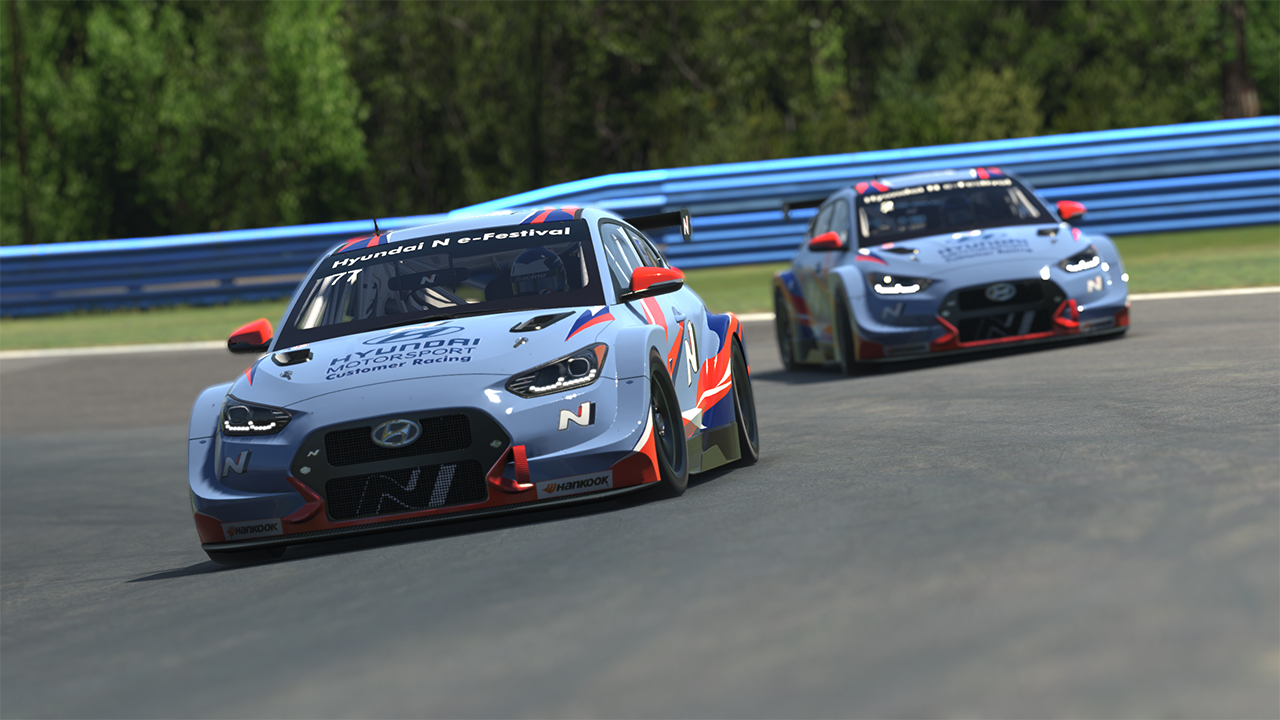
TCR cars respond best to early, firm braking leading into a smooth trail release into turn-in. You are basically “rolling” the car into the corner before the throttle application phase starts. This is something that takes time to master. Being too aggressive with the inputs during corner entry can easily cause over rotation and result in a spin, or in lap time sapping understeer. Getting the braking phase right sets you up for mid and corner exits. This bring us to:
Use Weight Transfer to Rotate
TCR cars rotate best when they’re light on the rear end, this requires you to manage the weight transfer of the car. Tokyo drift-esque oversteer can quickly snap into overcorrecting, screeching understeer. This is where the balance and “driving or rolling” the car through the corner, as also mentioned above, is important. Here you need to be very smooth and use trail braking and steering input to move just enough weight forward and keep the car under control. If you have a direct drive wheel “feeling” for the grip as it loads up can help you understand where the grip is too.
Throttle = Understeer
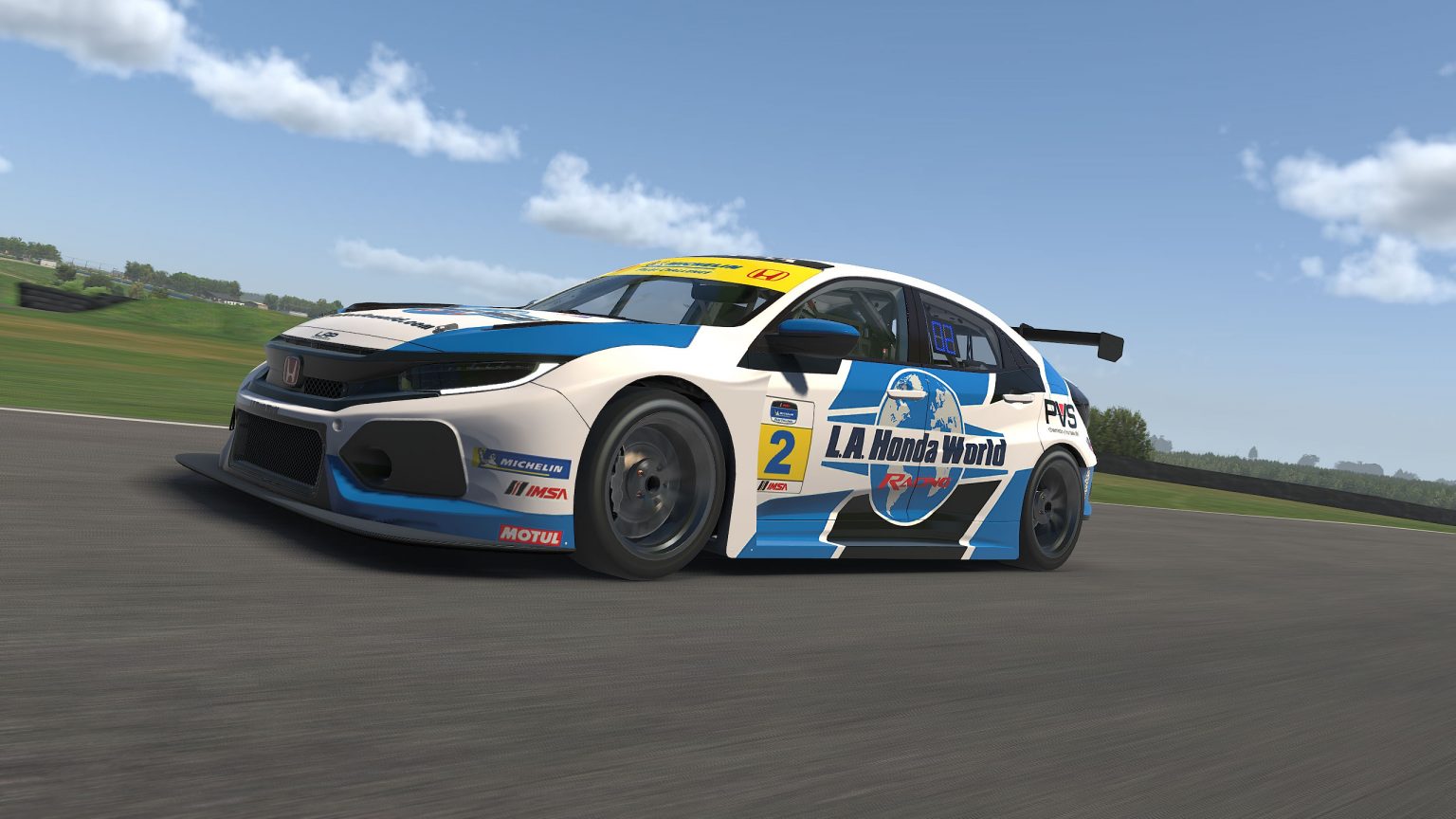
Getting on the throttle too early in a TCR causes instant understeer, especially mid-corner. Its important to be patient and wait before applying it fully. Faster corners can be dealt with by managing your acceleration through the corner after the braking phase. Slow corners require a late apex to straighten the car so you can maximize front tire grip and get on the throttle. Your throttle affects the steering input. Smooth is fast.
Frustrated to Fast
Don’t write off the series if you struggle with the initial driving dynamics. Driving TCR cars on iRacing can help teach precision, consistency, and help understand the limits of front wheel drive cars. This is not just required for this class but can be applied to racing in other formats too. Don’t forget to analyze your data – this was eye opening for me and helped unlocking a few tenths per lap.
Bonus: TCR’s are are hardy and applying the adage “rubbing is racing” wont harm especially in our Masters League, no worries of dropped Irating here!
Want to join the Grid?
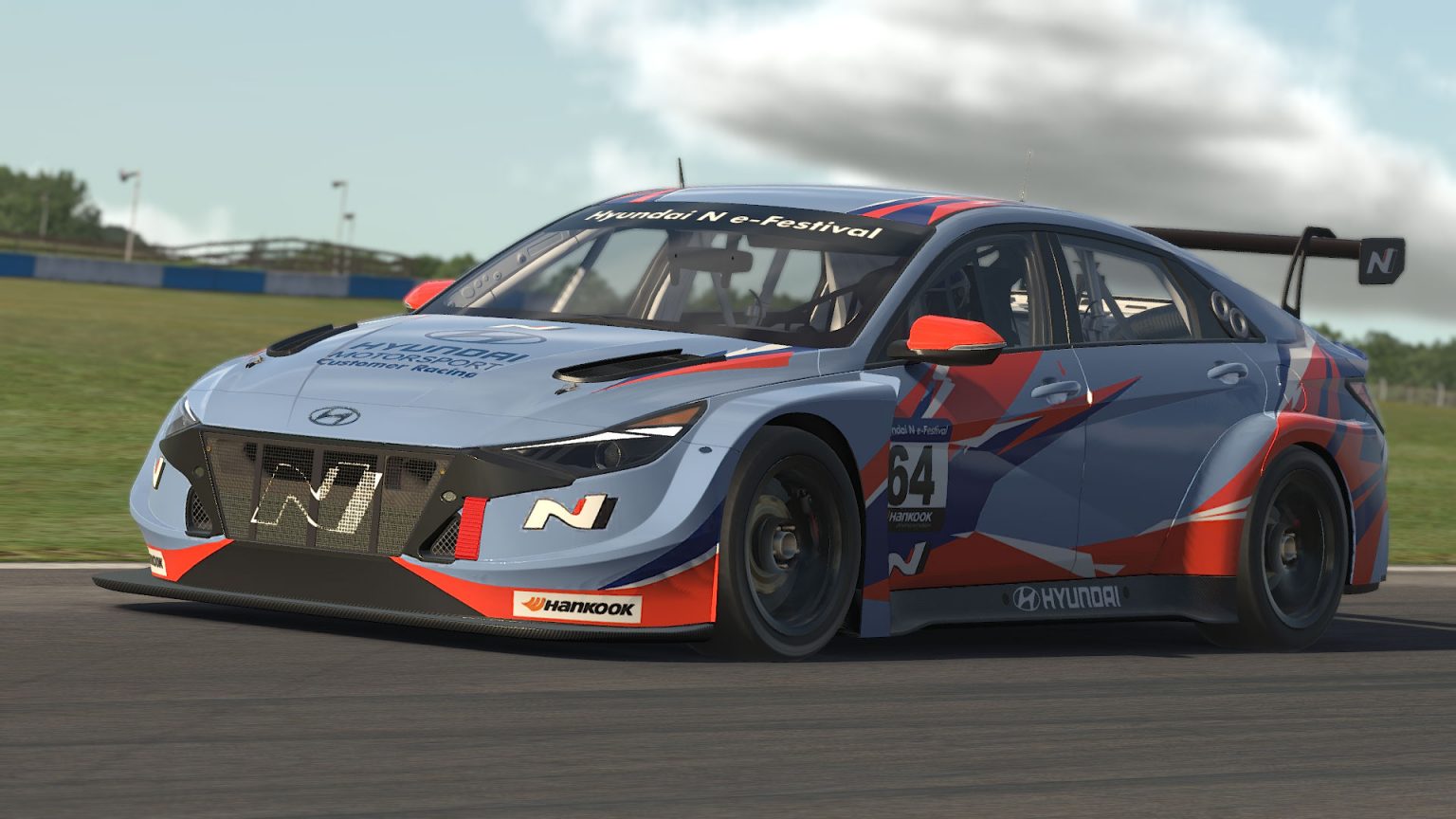
We would love more drivers to join us in the series. The joining fee is minimal, and you will become a faster driver whilst enjoying the racing and getting to know some industry stalwarts in the process! More information can be found here: https://masters-series.co.za/Entry