
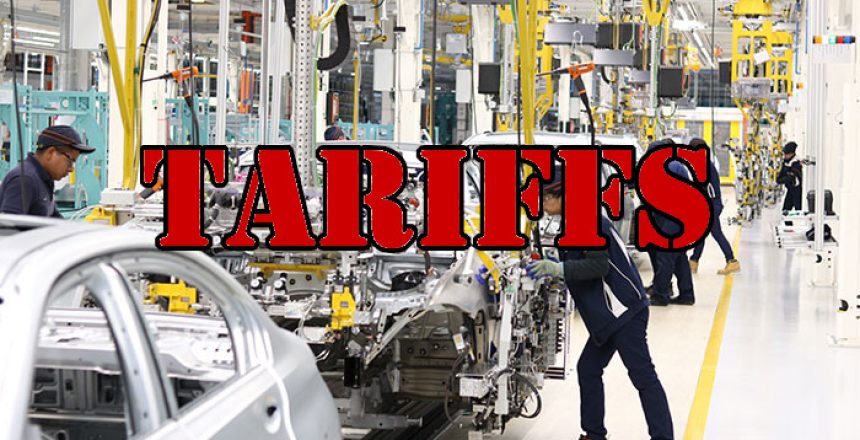
- A look at the effects of incoming US tariffs on South Africa’s Car Manufacturing sector.
This is not a political post. But, it is impossible to discuss today’s topic without at least “some” general, political observation. Without getting into specifics or pointing the finger of blame at any specific party or person, I think it’s fairly safe to say that South Africa’s “unique” style of governance makes a sloth banging on a coconut with a stick look like a rockstar. However, in the ocean of ineptitude stands an island of achievement. The local car manufacturing industry is actually something we can be very proud of. We build BMW’s, Mercedes-Benz, VW’s and Fords in this country that are exported all over the world.
That being said, in just a few short days, South Africa is staring down the barrel of some heavy tariffs from the US. What our government fails to grasp, is that these manufacturers are not building their cars here because we can do it better. They’re not building them here because the weather is nicer or because we have the best braaivleis in the world. They build them here because it makes economic sense. However, when reaching the largest car market in the world, suddenly comes with a 30% penalty, that math suddenly swings wildly the other way.
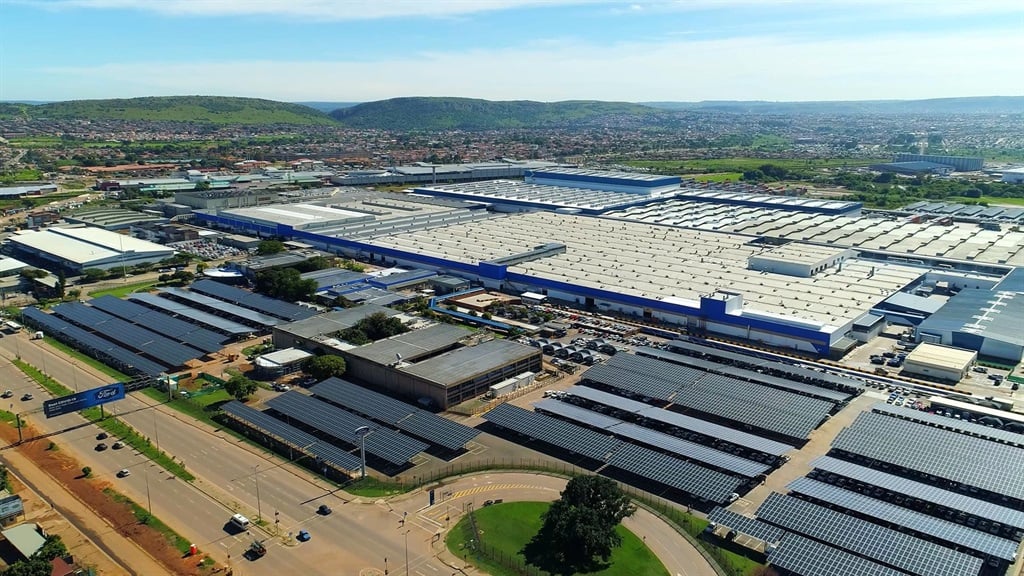
tarrifs may force them to move production
Mercedes-Benz have all but said, that should these tariffs come into effect, they would have to move production to another African country. Others are highly likely to follow suit, or at the very least they would massively reduce their footprint here. So what does this actually mean for us?
Well, firstly, we’re looking at a 5% drop in GDP. That might not sound like much, but that is a MASSIVE chunk of change, and one we can ill afford to give up. The auto-manufacturing industry in South Africa directly employs more than 100 000 people! Indirectly through supporting industries, over 450 000 people. All of whom could end up unemployed, in a country where unemployment is already a gargantuan problem.
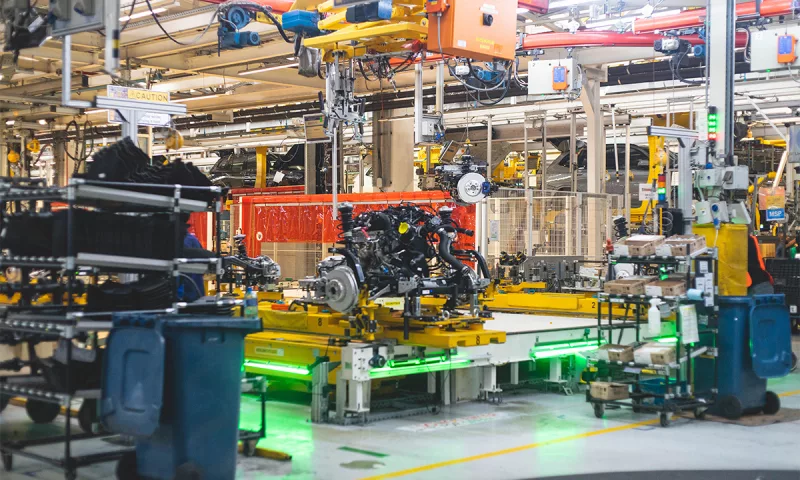
established brands struggling for market share
Human costs will obviously be significant, however, for the car-buying public this blow will not be without pain either. If these manufacturers no longer produce cars locally, these cars will now ONLY be available to us if they are imported. This means increased costs that get passed on to the buyer. Many established brands are struggling for market share in a pool where there is an ever-increasing number of Chinese brands muscling their way in, this may be their final nail. BMW already closed a huge number of dealerships over the last year. As have Volvo and a number of other big brands. We are likely going to see a number of big brands disappearing from our market entirely.
With NOTHING seemingly being done to mitigate the situation, one can only assume one of two things. Either government has some kind of plan and that’s why they are not worried. Or, their bumbling ineptitude simply doesn’t allow them to understand the impact. Being a glass-half-full kind of person, I really hope it’s the former.
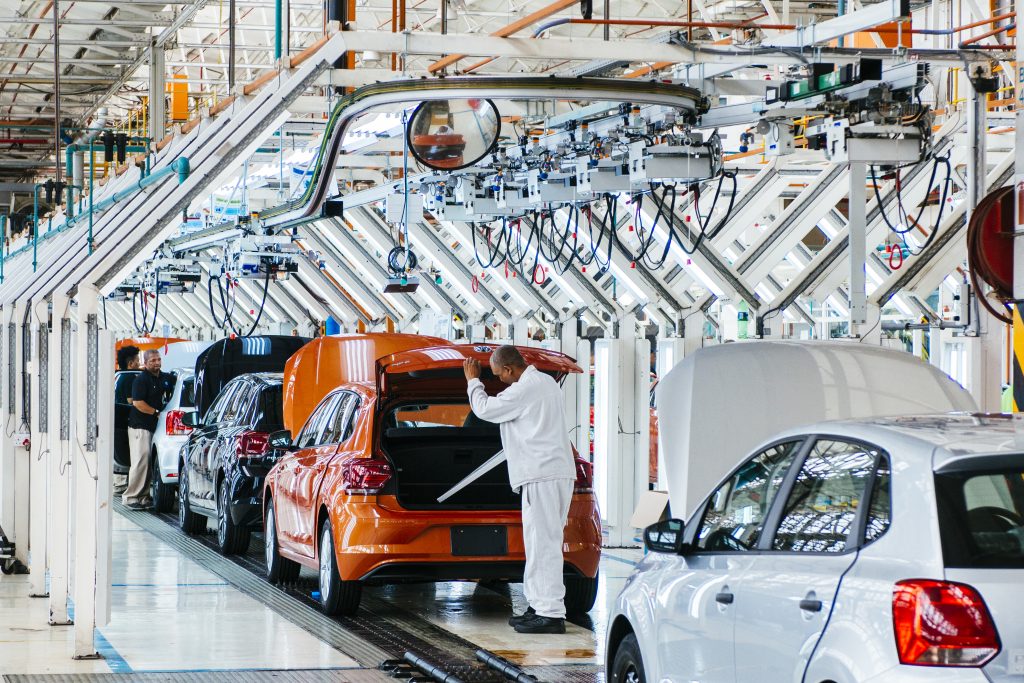
Assuming I’m right, the BRICS alignment will call on more Chinese brands to move manufacturing to South Africa. To fill the void left by brands moving out. The problem is that even though this may make up the GDP losses, and no doubt grease the palms of those connected few in the know – it most likely won’t stave off job losses. The Chinese will most likely send their own engineers and managers etc. This leaves only the most menial, unskilled jobs in the factory to fill. Unless, of course they get automated too.
Tariffs could make cars unaffordable
Car buyers will have less choice over what they get to drive. Cars that aren’t Chinese will become unaffordable. So all that remains for us to do is write a desperate letter to the US administration.
Dear President Trump,
Please don’t slap us with tariffs on cars. I really don’t want to drive a Cherry… Promise I’ll never say anything mean about Chevrolet, Dodge, Ford or Cadilac ever again.
Mr Q