
After a short break, the iRacing Master Series is back for Season 15. This time around, I used the off-season to install some new parts on my sim racing rig. Much like real-world motorsport, “research and development,” followed by carefully chosen upgrades, can (hopefully) improve speed and consistency in sim racing too.
In my approach, I went more “Gene Haas” than “Lawrence Stroll” by focusing on smaller, smarter upgrades to get the most bang for buck.
The Stage 1 setup
Getting started wasn’t just about buying simulator-specific gear – I also needed a capable gaming PC. Enter Nico from Codepure, who sourced a powerful machine at a fair price, with plenty of upgrade potential for the future.
Next, I wanted a sturdy racing simulator rig that would allow for easy expansion. I found exactly that with Simulator Cave, whose aluminium rigs make installation and future upgrades simple. That decision became especially important for my most recent improvement (more on that below).
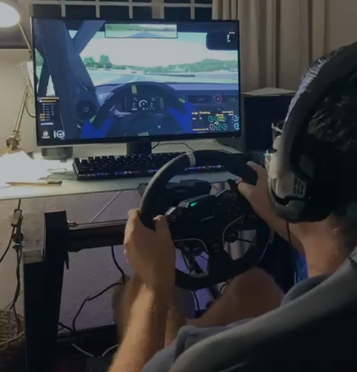
Let’s Go Racing
With the basics sorted, I needed to consider the budget I declared to the “FIA” (my wife). That meant limited options for upgrading the screen setup. I could have tried bending the rules to justify another purchase, but the FIA penalties are harsh – a single sentencing can last for days!
So, for a while, I stuck with a basic 60Hz, 27-inch screen… until recently.
Time for Upgrades
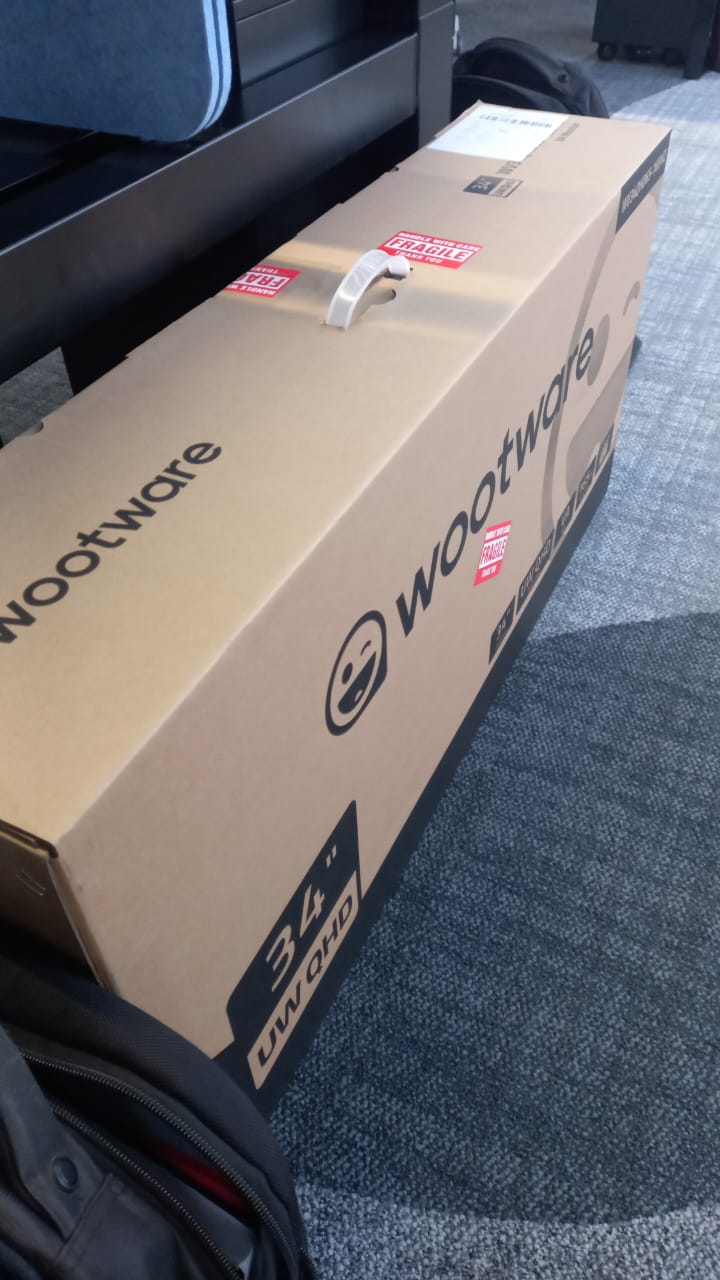
Like Hector placing late-night orders for T66 turbos and NOS, I went back to Codepure for advice. They recommended a balanced solution: a 165Hz, 43-inch curved gaming monitor.
Mounted directly to the Apex rig from Simulator Cave with a VESA-compatible mount, it was a straightforward installation. The step-by-step approach paid off again – everything fit neatly, looked sharp, and worked perfectly.
Testing, Testing…
With visuals sorted, my field of view improved dramatically thanks to the larger, rig-mounted screen. The final addition was to the Moza SRP pedals, which I upgraded with the brake accessory kit.This add-on lets you adjust pedal pressure for more realistic braking feel.
Installation was simple, but like in real racing, it’s best to take a step-by-step approach when making changes. Too many upgrades at once, and you won’t know what’s really helping. Of course, there were some hiccups, mostly user error, but after testing, the difference was clear. The braking felt far more natural and consistent.
Money Well Spent?
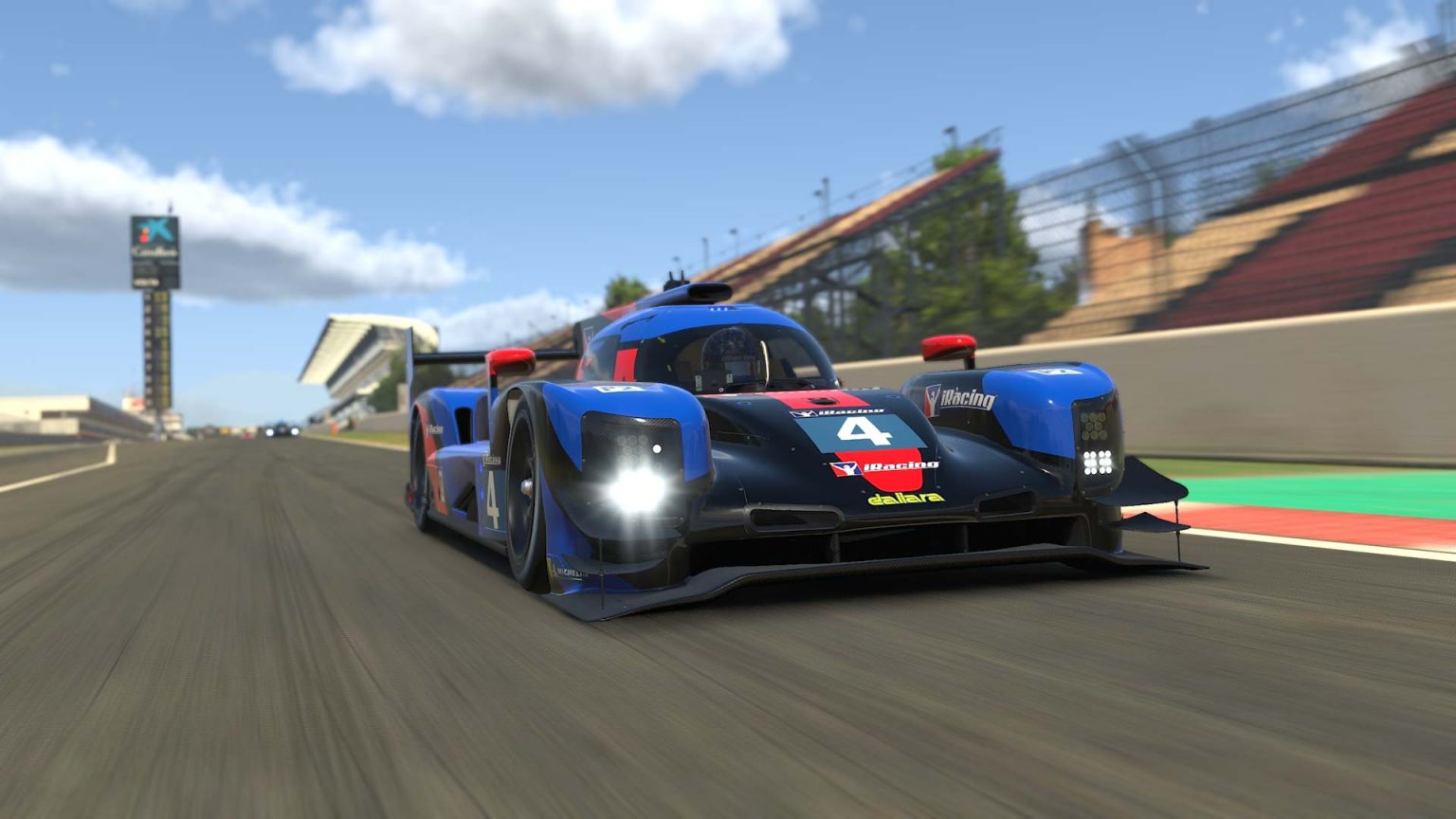
My first chance to test the full setup came in Round One of the new season, driving the Dallara P217 at Sebring – a tough but exciting combo. The result on paper wasn’t spectacular, but the experience was easily the most fun I’ve had so far in iRacing.
The upgrades boosted immersion significantly, and from a performance perspective, I noticed improvements in consistency. For me, that makes this round of sim rig upgrades money well spent. Time to starting reviewing the budget for next season…
Want to Joing the Masters Grid?
We would love more drivers to join us in the series. The joining fee is minimal, and you will become a faster driver whilst enjoying the racing and getting to know some industry stalwarts in the process! More information can be found here: https://masters-series.co.za/Entry