

If you’ve spent any time in iRacing, you’ll know that two little numbers often define a driver before they even turn a lap – iRating and Safety Rating. On paper, they’re designed to measure how skilled and clean a driver is. But the reality is a little more complicated. Stats don’t always reflect real ability or potential.
The Numbers Game: iRating and Safety Rating
iRating is a mathematical rating system used to rank drivers based on race results. Beat higher-rated opponents, gain more iRating. Crash out or finish low, and it drops. Safety Rating, meanwhile, is meant to track how “clean” you are – it calculates how many incidents (like off-tracks or contact) you rack up per corner.
Both are valuable. They keep races competitive and help group similar drivers. To me this is what has made iRacing so popular, but these yardsticks are also in some way, flawed.
Why iRating Can Be Misleading
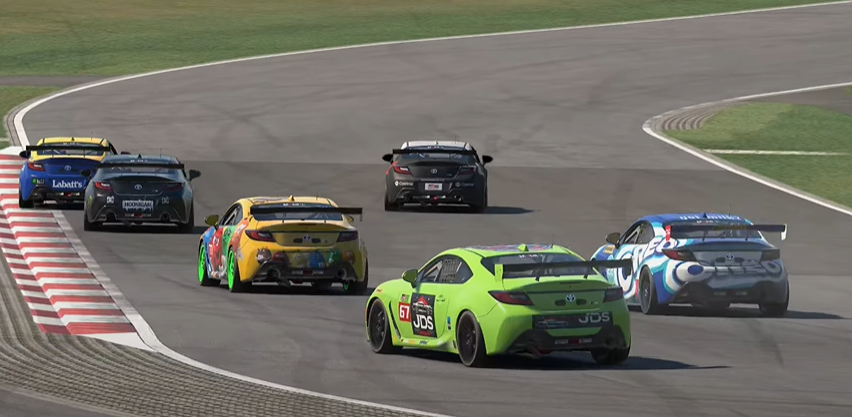
Here’s the thing, iRating is heavily influenced by how often and when you race, not just how well you drive. A fast, clean driver who only races a few times a month may have a much lower iRating than someone who grinds 10 races a week. Race more, and you are likely to on average have less iRating drop, race less and the stakes are higher due to lower participation.
Safety Rating: Not Always Safe
Safety Rating has its own issues. It’s largely based on incident points. But not all incidents are your fault or even real “mistakes.” A light tap in a pack? That’s 4x. Run wide avoiding a wreck? That’s another 1x or 2x. Many races turn into acts of avoiding any wheel-to-wheel racing for fear of dropping Safety Rating.
Hot Lapping Vs Racing
High iRating is in my opinion incorrectly seen as the main yard stick to measure driver ability in iRacing. I have on many occasions seen a lack of racing etiquette and wheel to wheel racing ability from higher iRating drivers in open lobbies. And on the flip side, I have had many great, close battles with mid iRating drivers whom have a decent Safety rating.
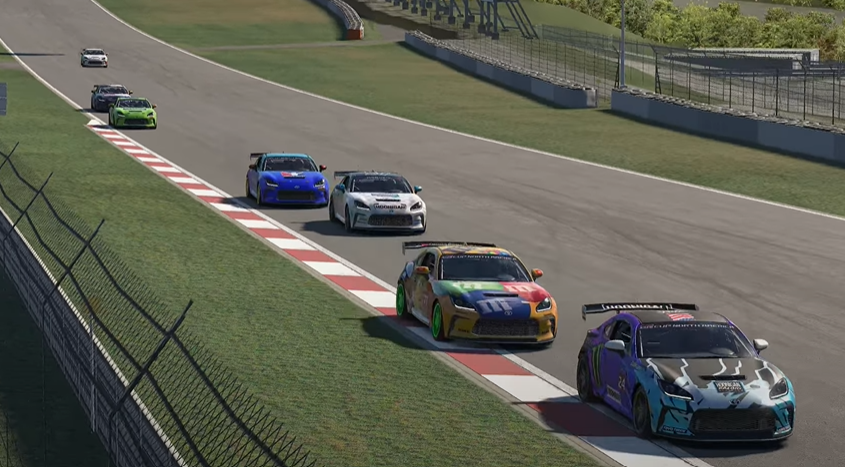
We are here to race and have fun – not just hot lap our way through a 15 minute race. Your ability as a racer is as much based on race craft and race management as it is outright lap times. If you are faster than the guy in front of you, you cannot simply punt them out of your way out of frustration.
So, What Should We Value?
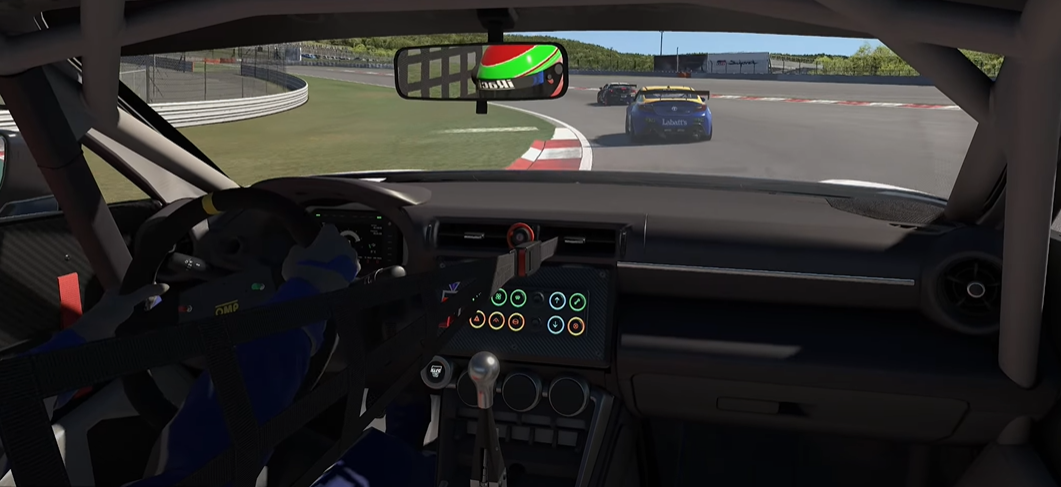
Firstly, we need to stop thinking of iRating and, maybe to some but a lesser extent Safety Rating, as the only benchmark to be successful at sim racing. Let’s be honest, at some point we have all been slightly despondent looking at our rankings. I have myself feared the next race after a decent run knowing that chaos will ensue eventually, followed by a downward ratings curve. Here is what I think is worth while focusing on instead of solely relaying on “iR” and “SR”:
- Race craft: Manage traffic, defend, overtake, and stay calm under pressure.
- Mental game: Ability to stay concentrated, consistent and not get flustered when things are not going well.
- Adaptability: Learning new cars, tracks, and changing conditions quickly.
Apply these and you would be surprised at how your iRating and Safety Rating improves even if it isn’t the main goal. Above all else it should be fun! A good, clean midfield fight is always more enjoyable than a runaway win at the front, or sitting in the pits waiting for the towing timer to wind down.
Iracing Masters Season 14 Draws To A Close
One of the main reasons I have enjoyed our iRacing masters league is because of the high standards of the drivers and the ability to race freely without the fear of associated drops in ratings. It has improved my general approach to racing greatly and allowed me to gauge situations better resulting in less frustration and more enjoyable racing. If you are just in it for some fun or want to take your sim racing to the next level, make sure you join us for Season 15 here.